Uncategorized

Uncategorized

The Role of Garment Manufacturing in Modern Fashion and Workwear Production

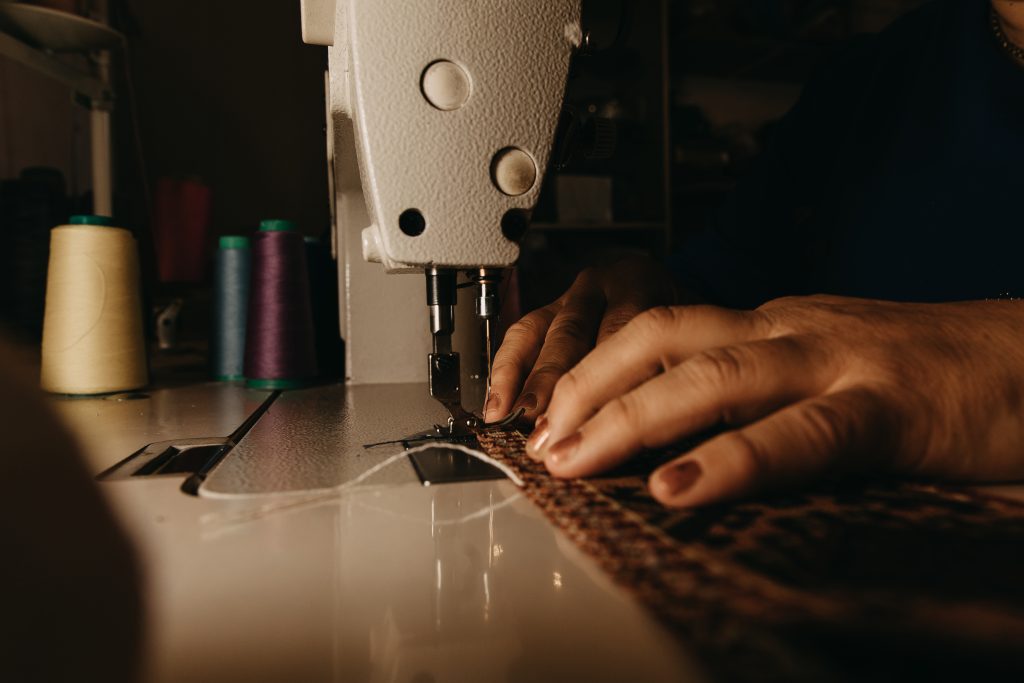
Objective To help trade buyers, brands, and distributors understand how garment manufacturing drives quality across both fashion and workwear sectors and why choosing the right production partner matters. Key Takeaways CTA: Request a trade quote from Uniform World today and get production done properly from day one. Table of Contents Have you ever received a bulk order only to find the fit is off, the finish looks nothing like the sample, or the branding has already started to crack? If you’re a trade buyer, brand, or distributor, you’ll know that feeling immediately. It usually traces back to one thing: the wrong production partner. Garment manufacturing is the backbone of both the fashion and workwear industries, yet it’s often treated as an afterthought until something goes wrong. Every decision made during production shapes what ends up in your customer’s hands. Getting it right from the start isn’t a luxury. It’s the only way to build a product you can stand behind order after order. If you’re exploring fashion manufacturing options, understanding what proper production looks like is the first step. Why Garment Manufacturing Is More Than Just Stitching Most people picture sewing machines and fabric rolls when they hear the term. That’s fair, but what professional production actually involves goes well beyond that, and the gaps are where most problems begin. From the moment a tech pack reaches a manufacturer, a chain of decisions starts that determines every aspect of the finished garment, from how the fabric holds up after washing to whether the label placement meets compliance requirements. These aren’t separate tasks. They’re connected stages, and a gap in any one of them shows up in the final product. How Fashion Manufacturing Works in Practice Fashion manufacturing runs on timelines, trend responsiveness, and the pressure to move from design to retail-ready garment faster than most production schedules comfortably allow. If you’re launching a collection, you already know how much can unravel between the design stage and the moment stock arrives. Aesthetics and construction carry equal weight here. A garment can look right but fit badly or be stitched neatly but arrive in the wrong colourway. Both cost you commercially. You might think offshore is the only realistic route for fashion at scale. In practice, many brands find that working with apparel manufacturers who offer both UK and managed offshore options gives them far more control over quality and lead times than either route alone. What Makes Workwear Production Different Workwear is a different discipline entirely. The person wearing it isn’t buying it for how it looks on a hanger. They’re relying on it to perform safely and consistently in demanding environments, and that changes how it needs to be built. Workwear compliance isn’t optional. Industrial garments, hi-vis clothing, and PPE all carry regulatory requirements, and a manufacturer without the capability to meet them puts buyers in a difficult position. Labelling, tax tabs, fabric specifications, and construction standards are all part of what a proper workwear production partner manages as standard. The crossover between workwear and fashion is growing. Many buyers now want workwear that looks considered and professional, not just functional. UK garment manufacturers who can deliver both are increasingly valuable to trade buyers across multiple sectors. UK Garment Manufacturers vs Offshore: What Should You Choose? This is the question most trade buyers wrestle with at some point. Offshore production often looks cheaper per unit, but the full picture is rarely as simple as the price sheet suggests. UK manufacturers have one thing that offshore manufacturing cannot always provide: proximity, quick communication, and corrections for any problems discovered during sampling. It makes a huge difference whether the manufacturer you are working with operates on the same time schedule and can respond with quick fixes before anything wrong occurs on a mass scale. Here is a comparison between the two on what matters: Factor UK Manufacturing Offshore Manufacturing Lead times Shorter, faster repeat runs Longer, planned well in advance Communication Easier, same time zone Can involve delays MOQ flexibility Suited to smaller and bespoke runs Better for high-volume bulk orders Unit cost Higher per unit More cost-efficient at scale Quality oversight Direct and accessible Requires managed quality control Traceability Clear and straightforward More complex to manage The practical approach for many trade buyers is a combination: UK production for time-sensitive or bespoke orders and managed offshore production for large-volume contracts. That’s exactly the model Uniform World operates, giving buyers the flexibility to make the right call for each order. What Separates a Reliable Production Partner from the Rest Two manufacturers can quote the same price and deliver entirely different results. The difference isn’t always visible in a spec sheet. It shows up in the consistency of what arrives, how issues get handled, and whether your fifth order looks as good as your first. A production partner worth staying with brings structured quality checks at every stage, not just at final dispatch. They manage fabric sourcing, sampling, embroidery, printing, finishing, and labelling as integrated parts of one workflow. They don’t just produce garments. They take ownership of the outcome. Uniform World is a UK-based garment manufacturing specialist serving trade buyers, brands, and distributors across workwear, fashion, PPE, and countrywear. Production starts from 100 units with both UK in-house and managed offshore options, consistent quality control throughout, and direct-to-client dispatch built in. If you need a production partner who delivers what the sample showed, get in touch with the Uniform World trade team today. FAQs Q1. What is the minimum order quantity for garment manufacturing in the UK? At Uniform World, production starts from 100 units depending on garment type and specification. The trade team advises on the most efficient volume for your order. Q2. What is the difference between CMT and full-package manufacturing? CMT involves the client providing the fabric and the factory constructing the clothes. In full package, everything from sourcing fabrics to making samples, mass manufacture and final packaging is done, something that trade buyers usually prefer. Q3. Where
Uncategorized

Why Embroidered Uniforms Are Essential for Professional Workwear Branding

Objective Most workwear buyers focus on fabric and fit. This blog covers what often gets missed: why the decoration method you choose directly affects how a brand is perceived, how long the garments stay looking sharp, and what separates a smart bulk order from an expensive one. Key Takeaways Ready to brand your workwear the right way? Explore Uniform World’s professional embroidery services built exclusively for trade buyers. Ever handed a bulk uniform order to a client, and weeks later they come back saying the logo looks washed out or the branding just doesn’t feel right? You might feel that knot in your stomach, wondering where things went wrong. The truth is, a lot of it comes down to one choice made early in the process: the decoration method. When it’s embroidered uniforms done right, that conversation rarely happens. Whether you’re a uniform supplier, a workwear distributor, or a brand building out a corporate clothing range, the decision to use quality workwear embroidery isn’t just a finishing detail. It shapes how a workforce looks in the field, on site, and in front of customers every single day. Table of Contents Why Embroidered Uniforms Build Stronger Brand Identity When your team are out in the field or walking into a client’s premises, their workwear is speaking before they even open their mouths. That’s not an exaggeration; it’s just how brand perception works in professional environments. Here’s why workwear embroidery consistently delivers better brand results than other decoration options: Embroidery vs. Printed Decoration: What Actually Lasts? You might think custom logo printing is the simpler or cheaper route. For some applications it genuinely makes sense, but for professional workwear that needs to look sharp after months of daily wear, the comparison shifts. Here’s how the two stack up across the factors that matter most on a bulk workwear order: Feature Embroidery DTF / Heat Transfer Print Durability through washing Holds well over hundreds of wash cycles Good initially, but edges can lift or fade with frequent washing Texture and finish Raised, tactile, premium feel Flat and smooth surface Best suited for Logos, brand names, structured text Complex multi-colour artwork, photographic detail, gradients Garment compatibility Works across most workwear fabrics Some limitations on heavier or textured materials Perceived quality High, consistently reads as professional Varies depending on print method and garment quality Longevity on workwear Long-term with very little degradation Medium-term, depends heavily on wash frequency and conditions At Uniform World, both embroidery for clothing and DTF printing are available as decoration methods, because the right choice genuinely depends on your design, garment type, and end use. For most professional workwear branding, though, embroidery is the one that holds up. Where Clothing Embroidery Fits Best on a Garment Placement is one of those details that separates a professional result from an average one. Where a logo or brand name sits on the garment affects both how it looks and how it reads to the people seeing it. Here’s a breakdown of the standard placement positions used in trade workwear production: Getting placement right consistently across a large production run is where the skill lies. It requires proper logo digitisation, accurate positioning on every unit, and quality checks throughout the batch, not just on a random sample at the end. What Most Buyers Don’t Ask (But Should) Here’s something most competitors won’t tell you. Price and turnaround time are important, but they’re not what determines whether your final order actually meets expectations. The questions that matter most are often the ones that rarely get asked at the quoting stage. Before you commit to any embroidered workwear production run, it’s worth getting clear on these: These aren’t awkward questions to ask. They’re exactly what any serious trade buyer should know before placing a large-volume order. Your Workwear Is Branding. Treat It That Way. The garments your clients’ teams wear every day are doing active branding work, whether anyone thinks about it or not. Every job site visit, every customer drop-off, and every service call, the uniform is visible. It either reinforces the brand or quietly chips away at it. Embroidered uniforms done properly are one of the most cost-effective branding tools available for any business with a workforce in uniform. The cost is fixed at production, and then it keeps working through every wash, every shift, and every customer interaction. Uniform World works exclusively with trade buyers, brands, and distributors to deliver precision embroidery and clothing manufacturing services built for volume, from initial sampling through to direct-to-client dispatch. Frequently Asked Questions Q1. Is embroidery better than printing for workwear uniforms? For most workwear embroidery applications, yes. Stitching outlasts printed decoration through heavy washing and daily wear without peeling or fading. Complex artwork with gradients may suit printing, but logos and structured text almost always perform better with embroidery. Q2. How many washes can embroidered workwear survive? When properly digitised and stitched with quality thread, embroidered uniforms hold up through hundreds of wash cycles with very little visible degradation. The stitching is part of the fabric, not sitting on the surface, which is what makes it so durable. Q3. Can you embroider onto hi-vis and PPE workwear? Yes, hi-vis jackets, protective coveralls, and other PPE garments can all carry clothing embroidery as long as placement and technique are matched to the fabric type and any compliance requirements. Q4. What is the minimum order quantity for embroidered uniforms? At Uniform World, clothing manufacturing services typically start from 100 units depending on garment type. Trade buyers placing repeat or high-volume contracts should discuss volumes upfront during the quotation stage.

Uncategorized

Why Businesses Need Professional Garment Finishing and Fulfilment Services

Objective To help uniform brands realise that trying to do all their own finishing and fulfilment is costing them time and money. We’re showing them a better way to protect their brand quality and deliver flawless bulk orders without the operational headaches. Key Takeaways Professional fulfilment services cover everything from final quality checks to dispatch, saving trade buyers time and preventing costly delivery errors. CTA: Ready to streamline your garment operations? Get in touch with Uniform World to request a fulfilment quote. Have you ever wondered why a client remembers a missing label or sizing error more clearly than weeks of successful production? In the workwear industry, an order can be manufactured, branded, and prepared correctly, yet a handful of mistakes during the final stages can still leave the wrong impression once it reaches its destination. The reality is that clients rarely see the effort that goes into manufacturing a garment; they judge what arrives in the box. For that reason, professional fulfilment services have become an important part of the garment supply chain, helping businesses manage everything from garment preparation and packing to accurate dispatch. When these final details are handled properly, the result is a more consistent customer experience and fewer costly mistakes. Table of Contents Why In-House Finishing Tends to Become a Problem Handling finishing internally feels logical when you’re starting out, and for smaller operations it sometimes works. The problem is that it rarely scales without quality slipping or costs quietly building up in ways that aren’t obvious until something goes wrong. These are the patterns that come up repeatedly for trade buyers managing bulk or repeat contracts: How Garment Finishing Services UK Protect Your Brand The finished garment is what your client holds in their hands. Everything that happened in production is invisible to them at that point. What they see is whether it looks right, whether the label is correct, and whether it arrived in a state they’re proud to hand to their team. Professional apparel finishing keeps all of that consistent across every order: When your garment finishing is handled by specialists, clients notice it, even when they don’t say so directly. What to Look For in an Order Fulfilment Partner Choosing the wrong partner often creates more disruption than it saves. Before committing, it’s worth knowing which questions to ask and what the answers should actually look like. When evaluating order fulfilment services for garment supply: Finishing vs Fulfilment: The Difference Explained Many buyers treat these two terms as the same thing, which sometimes leads to gaps in what gets agreed with a supplier. They’re distinct stages, and both need to be properly covered. Stage What It Covers Why It Matters Garment Finishing Pressing, inspection, labelling, tagging, size sorting, folding, bagging Every garment leaves production presentation-ready and correctly identified Order Handling Carton packing, count verification, dispatch routing, bulk or direct delivery The right order reaches the right destination on time and without errors Combined Service Both stages managed by one provider with shared quality standards No handover gaps, consistent quality from production right through to delivery Trade-Only Fulfilment Built for B2B buyers, uniform suppliers, and wholesale distributors Designed around commercial volumes, compliance, and repeat supply schedules Having both stages with the same team means your standards carry through without anything getting lost between two separate operations. The Part of Your Supply Chain That Gets Overlooked the Most Finishing and fulfilment sits at the very end of production, which is probably why it gets less attention than manufacturing or embroidery. It’s also the last point of contact before your client forms their impression of the product, so the stakes are higher than the position in the process suggests. Professional fulfilment services act as a quality assurance layer at the most visible point in your supply chain. For businesses managing repeat orders and long-term uniform contracts, having that layer handled properly is one of the most straightforward ways to protect client retention and reduce costly rework after delivery. Uniform World’s order fulfilment services are built for trade buyers who need reliable garment finishing and dispatch at scale, without maintaining that capability in-house. FAQs Q1. What do professional fulfilment services include for garment orders? Professional fulfilment services basically take care of everything after production, pressing, labelling, size sorting, packing, and getting orders out the door. Each order is checked before dispatch, so garments show up ready to use without any extra work on your end. Q2. How do garment finishing services in the UK improve delivery quality? Honestly, most delivery headaches come from poor preparation before packing. Garment finishing services The UK should sort this out by making sure garments are properly pressed, labelled, and grouped by size before they go into boxes so size mix-ups and missing tags stop being an issue. Q3. Can order fulfilment services handle direct delivery for uniform contracts? Yes, and this is actually one of the bigger advantages. Order fulfilment services built for clothing suppliers can send garments directly to multiple locations rather than one central address, which saves uniform suppliers a lot of time and back-and-forth. Q4. Is outsourcing apparel finishing worth it for smaller bulk orders? For smaller runs it is absolutely worth considering. Many providers offering apparel finishing have dropped their minimums quite low, sometimes as little as 10 pieces per size. The finish and quality you get is no different from a large order, so smaller batches are no longer at a disadvantage.

Uncategorized

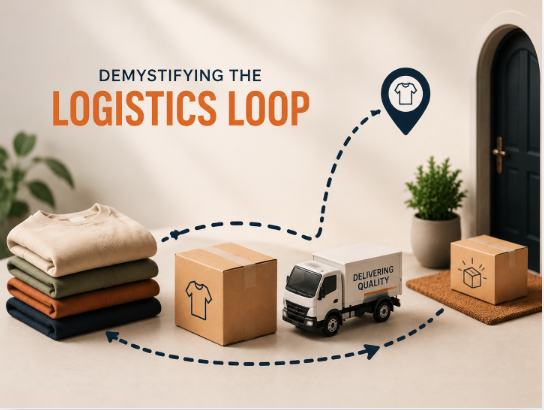
Demystifying the Logistics Loop: How Direct-to-Customer Shipping Works in Apparel Fulfilment

Objective This operational guide breaks down direct-to-customer clothing distribution, helping UK brands and trade buyers swap warehouse headaches for high-efficiency order fulfilment services. Key Takeaways CTA: Want to see how a professional production partner can simplify your company’s distribution loop? Connect with the Uniform World trade team today to discover our end-to-end manufacturing, embroidery, and direct shipping solutions tailored for your brand. Introduction Have you ever finalised a massive, beautifully crafted corporate clothing order only to realise you now have hundreds of heavy boxes sitting in your office corridor waiting to be sorted? You spend your evening digging through stacks of polybags, trying to find a medium shirt for one department and an extra-large jacket for another while your actual work piles up around you. Many people face this stressful logistical bottleneck when trying to scale their uniform programmes or clothing brands. It’s exhausting, time-consuming, and entirely unnecessary.  Let’s explore how integrating a modern direct delivery service straight into your production cycle can permanently clear out your hallway clutter and streamline your distribution. Table of Contents 1. The Core Philosophy Behind Direct Apparel Shipments Choosing a direct shipping layout simply means your finished goods bypass your own physical office entirely. Instead, the apparel moves directly from the manufacturing line straight to your individual staff members or buyers. Plugging your business directly into established order fulfilment services cuts out the chaos: 2. The Step-by-Step Apparel Dispatch Journey An unbelievably well-coordinated series of procedures ensures that all customised packages are successfully delivered at their destinations in perfect fashion. Modern order fulfilment services make this entire workflow faster, more accurate, and far less stressful for growing apparel brands. If it is performed by a highly skilled team of traders, then all this complex process occurs absolutely behind the scenes. This process starts immediately after completion of the manufacturing of your order of clothes when it goes into the finishing stage: 3. Why Fabrics and Soft Goods Demand Unique Logistics Setups Soft goods behave differently from rigid products in that fabrics can easily crease, take up variable spaces, and involve untidy sizing. Generic logistics centres have no chance of succeeding at managing such soft products as uniforms. These reasons are precisely why generic logistics centres perform poorly on clothing but not specialised e-commerce fulfilment services and dedicated garment shipping services designed for apparel distribution: 4. Sizing Up Your Clothing Distribution Options Selecting the right logistics strategy dramatically impacts your day-to-day operational speed and your overall profit margins. Let’s look at how direct shipping compares to traditional methods so you can choose the best path forward. Distribution Setup Perfect For The Biggest Win The Main Hurdle Direct-to-Customer Shipping Growing uniform operations, trade buyers, and corporate brands. Erases double-shipping costs completely and frees your internal team from manual packing duty. Requires clear communication and total alignment with your production team. Traditional Bulk Freight Large wholesale networks with massive, pre-existing warehouse teams. Highly efficient when you are dumping huge single-destination quantities into one hub. Drops the massive chore of sorting, unboxing, and individual tracking right back on you. In-House Hand Packing Small fashion startups or low-volume creators testing out a brand. Gives you complete personal control over every piece of tissue paper and ribbon. Quickly becomes impossible to maintain once your orders grow past forty boxes a week. 5. Smart Tactics to Keep Your Shipments Moving Faster Setting a solid data foundation during your initial planning phase will save you weeks of administrative stress later on. Reliable order fulfilment services also help businesses maintain delivery speed during peak seasonal demand. It’s worth ensuring an efficient workflow so your automation logistics cycle is perfectly aligned. By partnering with reputable workwear suppliers UK firms rely on, you can ensure that your base material will not develop any permanent creases from compression: 6. Turning Your Logistics Flow Into a Competitive Advantage Establishing a connection between your production process and dedicated B2B fulfilment services will allow you to forget about all possible administrative obstacles standing in your way. It gives you total liberty to concentrate on acquiring new clients, leaving logistics processes in the hands of specialists. With our business model at Uniform World, we create seamless ways for you to transport your apparel garments via a perfect combination of our garment manufacturing and top-quality order fulfilment services designed specifically for trading purposes. We are a renowned and experienced manufacturer in the UK with a trade-only policy. Let’s review your technical specifications and build a scalable shipping framework that satisfies your commercial goals. Give our trade support specialists a call today at 0121 523 4538 or email info@uniform-world.co.uk to grab your custom quote, and let’s get your shipments moving smoothly. Answers to Everyday Apparel Shipping Questions What does order fulfilment mean in the apparel industry? In this niche, order fulfilment services mean sorting stock by size, tagging, folding, bagging, and booking the couriers. It covers everything from the moment a garment leaves the sewing machine until it lands at the delivery address. How do clothing brands handle their order shipping? Most scaling brands link up directly with production plants that provide built-in distribution setups. This keeps stock waiting at the source, meaning single orders get packed and shipped out on demand without the brand needing its own warehouse. What is the difference between B2B and direct-to-customer fulfilment? Old-school B2B fulfilment services focus on moving massive bulk pallets over to a single retail hub or commercial depot. Direct-to-customer setups do the opposite, breaking production runs down into hundreds of separate packages sent directly to individual people. How can a business reduce its garment shipping costs? Cut out the middle legs of transit by shipping items straight from your manufacturer to the end user. Keeping your package sizes tight to avoid volumetric courier penalties and using your trade partner’s corporate postal discounts also keeps costs incredibly low.

Uncategorized

Tax Tabs vs Embroidery: Which is Better for Corporate Clothing?

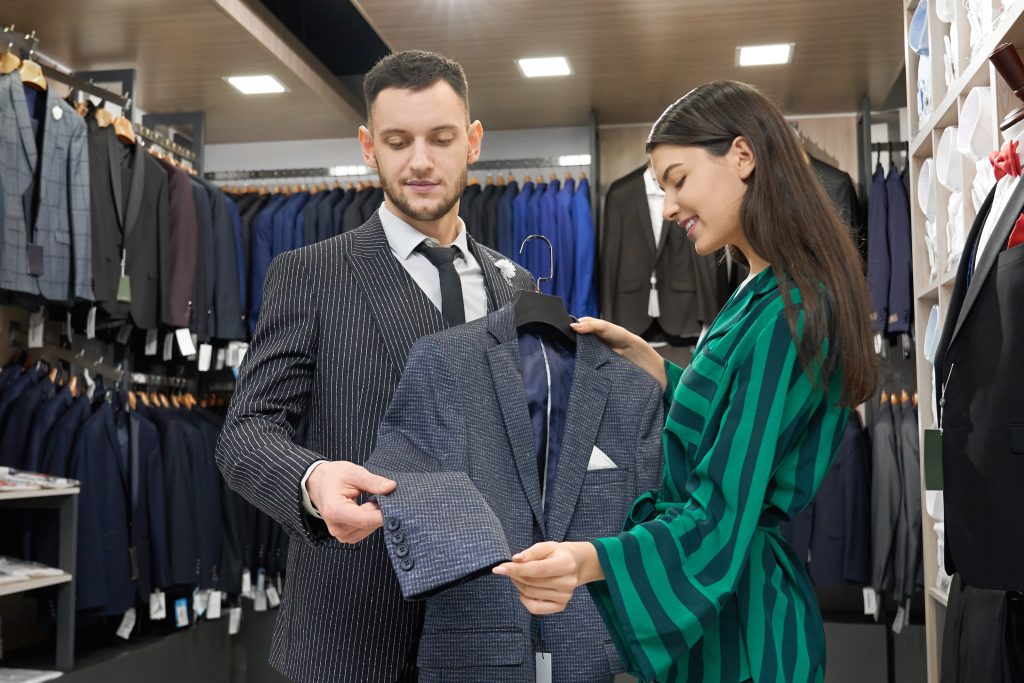
Objective In order to assist UK business owners and procurement departments in comparing custom tax tabbing with direct embroidery so that they can have professional apparel without breaking HMRC tax laws. Key Takeaways CTA: Let’s Upgrade Your Team’s Corporate Wardrobe Today! Introduction When you buy high-quality winter jackets or tailored suits for your client-facing team, handing them out plain triggers a hidden cost. Under HMRC rules, everyday clothing without permanent company branding counts as a taxable perk. Many business owners hit this obstacle because they want their staff to look professional without accidentally causing a tax headache. You have to find a way to meet all garment compliance services rules while still preserving the premium look of a high-end jacket or suit. The choice usually comes down to two real options: standard direct embroidery or small, minimalist tax tabs. While stitching a vibrant logo works perfectly for casual polos, a large crest on the chest can completely ruin the clean lines of a fine business blazer. On the other hand, skipping the logo entirely leaves your company open to financial penalties. Let’s break down the exact differences between these two methods so you can make the right call for your workplace. Table Of Contents The Role of Direct Embroidery in Brand Identity Direct embroidery relies on industrial sewing machines to stitch your business logo right into the fabric fibres. This method leaves you with a textured, high-quality finish that easily survives heavy daily wear and constant washing without losing its shape. Why Uniform Compliance Services Rely on Woven Tax Tabs While embroidery does a fantastic job on casual workwear, it rarely looks right on a high-end corporate suit. This is why specialised uniform compliance services suggest using woven tax tabs to protect delicate executive clothing like wool blazers or formal shirts. These tiny fabric labels sew directly into a pocket edge or an outer seam, giving you just enough visual branding to satisfy the tax collector. Comparing the Two: Fabric Health, Cost, and Executive Style In managing your order, you have to consider your choices and how it impacts the total cost as well as durability. Generally, embroidery costs rise and fall proportionate to the total stitches used for an entire design. This means that big badges are quite heavy and costly in thin materials. On the other hand, woven tax tabs have a constant manufacturing cost since they have a constant size. Real-World Examples of Choosing the Right Branding Method Let’s look at how clothing compliance works out in everyday business scenarios. Imagine you are working for a luxury boutique hotel, where the front office staff should be well presented. While embroidering a big logo on a luxury blazer is not a wise idea, sewing a tax tab is an ideal solution. How to Ensure Long-Term Garment Compliance Services for Your Order In order to ensure that you hit absolute workwear compliance, you have to ensure that your company’s branding is made absolutely permanent by using either the option of direct embroidery or woven tax tabs. The Ultimate Tax Tabs vs. Embroidery Comparison Guide Feature & Branding Focus Direct Corporate Embroidery Woven Custom Tax Tabs Primary Brand Appearance Highly visible, bold, textured 3D look. Subtle, minimalist, hidden along exterior seams. Best Suited Garments Polo shirts, fleeces, hoodies, and heavy jackets. Corporate suits, formal blazers, and fine shirts. Garment Compliance Services Achieves full compliance via permanent thread stitching. Achieves full compliance by structural integration into seams. Fabric Impact Risk Can cause puckering or holes on delicate materials. Safe for all fabrics, as it utilises existing garment seams. Uniform Tax Compliance 100% tax-free; the garment cannot be worn as standard casual wear. 100% tax-free by clearly converting formal suits into uniforms. Best Supplier Sourcing Available through professional bulk workwear suppliers in the UK. Requires a specialised tailoring setup from expert suppliers. Why Balancing Corporate Style and Tax Rules Protects Your Business Choosing the right customisation path shows that your business takes financial responsibility and professional image seriously. By matching embroidery or tax tabs to specific job roles, you keep your workplace running smoothly, looking sharp, and totally safe from unexpected tax assessments. Taking care of your garment compliance services early means you avoid costly back-tax headaches during surprise audits, while smooth manufacturing practices take the pressure completely off your management teams.  Frequently Asked Questions Can I mix embroidery and tax tabs on the same corporate uniform? Yes, absolutely. Many UK firms use direct embroidery on casual polo shirts for day-to-day office work while saving custom tax tabs for the premium blazers and coats their team wears when meeting important clients. Why does HMRC care about how my corporate clothing is branded? HMRC wants to check that company-provided clothing is a true business requirement and not a tax-free bonus for the employee. If a garment is completely plain and can easily be worn out for a personal weekend dinner, the law views it as a taxable benefit-in-kind. Will sewing on a tax tab damage the waterproof lining of our team coats? When you partner with professional bulk workwear suppliers UK, they sew the tax tabs directly into the outer fabric seams during production or use specialised seam tape. This keeps the protective inner layers perfectly dry and weatherproof. How big does an embroidered logo need to be to count as a real uniform? HMRC guidelines used in modern garment compliance services state that corporate branding must be conspicuous and clearly visible to the casual observer. A standard breast-pocket-sized logo is perfectly sufficient to establish the clothing as an official, tax-free workplace uniform.

Uncategorized

How Heat Transfer Printing Works in Bulk Apparel Production

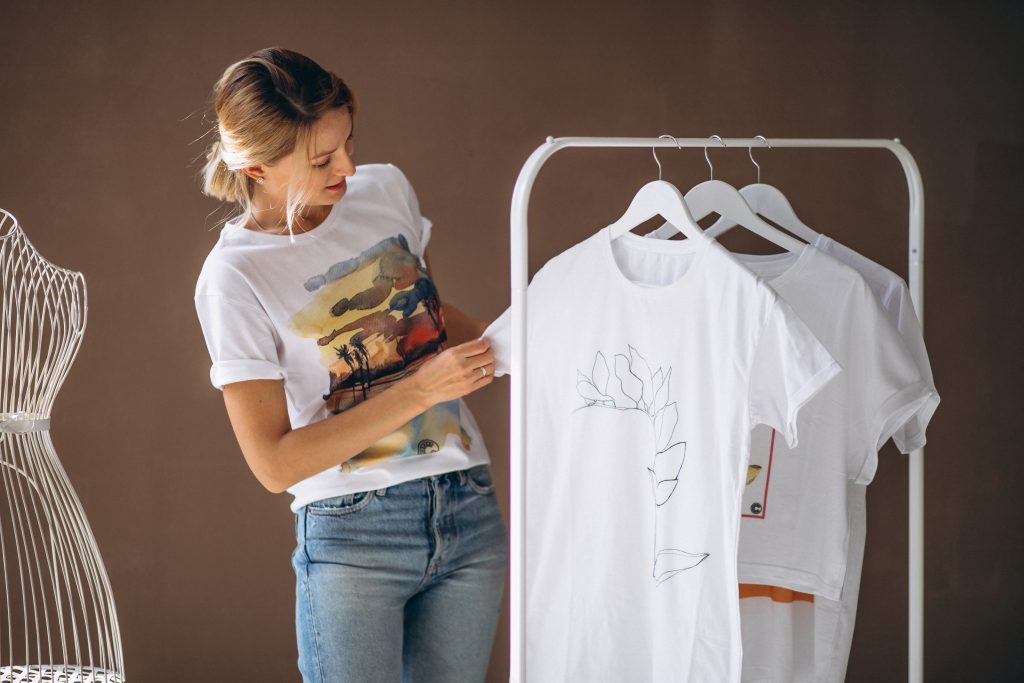
Objective In order to give an understanding on how heat transfer printing works when done in large batches, how it is suitable for use in uniforms and clothing, and how it can be considered a dependable technique in decorating clothes. Key Takeaways CTA Need consistent heat transmission printing for your next bulk order? Uniform World supplies trade-only heat transfer solutions built for garment manufacturers, uniform suppliers, and workwear brands. Visit uniform-world.co.uk or call 0121 523 45 38 to get started. Introduction Have you ever looked at a branded workwear jacket and wondered how that logo sits so cleanly on the fabric without cracking, fading, or lifting at the edges after dozens of washes? Most people assume it’s embroidery or screen printing, but a large proportion of the branding you see on bulk uniform orders today comes down to heat transfer printing, and most buyers don’t fully understand how it works until something goes wrong with a cheaper alternative. This blog walks through the full process, why it works so well for textile printing at bulk scale, and what trade buyers need to know before placing a decorated garment order. Table of Contents What Is Heat Transfer Printing? It is a decoration method where a design is first printed onto a specialist transfer film, then bonded onto the garment surface using a heat press. The heat and pressure activate the adhesive layer, pushing the design into the fabric fibres and creating a clean, durable finish. It’s used across uniform printing, workwear, fashion, and promotional apparel because it handles detailed logos, multi-colour designs, and small text far more cleanly than many alternatives at bulk scale. How the Process Works Step by Step The process is more structured than most buyers realise. Every stage has a purpose, and getting any one wrong affects the final result across the entire batch. That is how this process happens in bulk manufacturing: This process happens in the trade sector in batches of hundreds or thousands of garments at a time. Why It Works So Well for Bulk Apparel Production Transfer printing at scale works well for one straightforward reason. Transfers are produced in advance, so once garment application begins, the decoration stage moves quickly and consistently without stopping between colours or designs. For trade buyers managing large workwear printing programs, this is a real practical advantage: Fabric Compatibility in Workwear and Uniform Programs One reason heat exchange printing is so widely used in trade apparel is how well it performs across different fabric types. Uniform and workwear programs don’t always use a single material, so a decoration method that only works on one fabric type creates problems quickly. Uniform World’s heat transfer solutions are compatible with: What Makes a Heat Transfer Last Durability is the top concern for any trade buyer ordering decorated garments at scale. A transfer that starts peeling after ten washes isn’t just a quality issue, it’s a client relationship problem. Three factors determine whether a custom heat transfer holds up over time: Skipping quality control at the application stage is where most durability problems begin. Every batch needs checking before it moves to packing. Heat Transfer vs. Other Decoration Methods Trade buyers often ask whether custom heat transfer is better than embroidery or screen printing. The answer depends on what the garment actually needs. Decoration Method Best For Limitation Heat Transmission Printing Detailed logos, multi-colour designs, fast bulk runs Not ideal for very thick, raised finishes Embroidery Premium feel, structured logos on heavy fabrics Higher cost per unit, slower on fine detail Screen Printing Bold simple designs on high volumes Colour setup costs are less flexible for small runs Textile Printing via Transfer Position-specific branding across varied fabrics Requires correct press settings per fabric type For most uniform printing and workwear decoration programs, heat transfer sits in the sweet spot of speed, detail quality, and cost efficiency at scale. Get Your Bulk Decoration Right from the Start For trade buyers managing uniform or workwear programs, choosing the right decoration method and the right production partner makes a bigger difference than most expect upfront. A poorly applied transfer on 500 jackets isn’t just a reprint job. It’s time, money, and a client relationship that takes a hit. Uniform World provides trade-only heat transfer printing as part of a complete embroidery and printing service, built for manufacturers, uniform suppliers, and workwear brands needing consistent, durable branding across bulk and repeat orders. For textile printing solutions that are built to last and delivered to trade timelines, call 0121 523 45 38 or visit uniform-world.co.uk to discuss your requirements. FAQs 1. What fabrics work best with heat transfer printing? Not every fabric behaves the same way under a heat press, and that’s something a lot of buyers find out the hard way. Heat transmission printing performs well on cotton, polyester, blends, and performance fabrics as long as the transfer type and press settings are matched correctly to whatever material you’re working with. 2. How durable is heat transfer printing on workwear? Done right, it holds up really well. Workwear printing via heat transfer is built to handle repeated industrial washing without the design cracking, peeling, or losing its colour over time. Where durability falls short, it almost always traces back to wrong press settings or a transfer film that wasn’t suited to that particular fabric, not the method itself. 3. Is heat transmission printing suitable for large bulk orders? Yes, transfer printing is particularly well suited to bulk because transfers are produced in advance and applied quickly and consistently across large garment runs. It’s one of the faster decoration methods available for trade buyers managing high-volume uniform or workwear programs. 4. What is the difference between heat transfer printing and screen printing? Heat exchange printing bonds a pre-printed transfer onto the garment using heat and pressure, while screen printing pushes ink directly through a mesh screen onto the fabric. Heat transfer handles fine detail and multi-colour designs more cleanly across varied fabric types, whereas screen

Scroll to Top