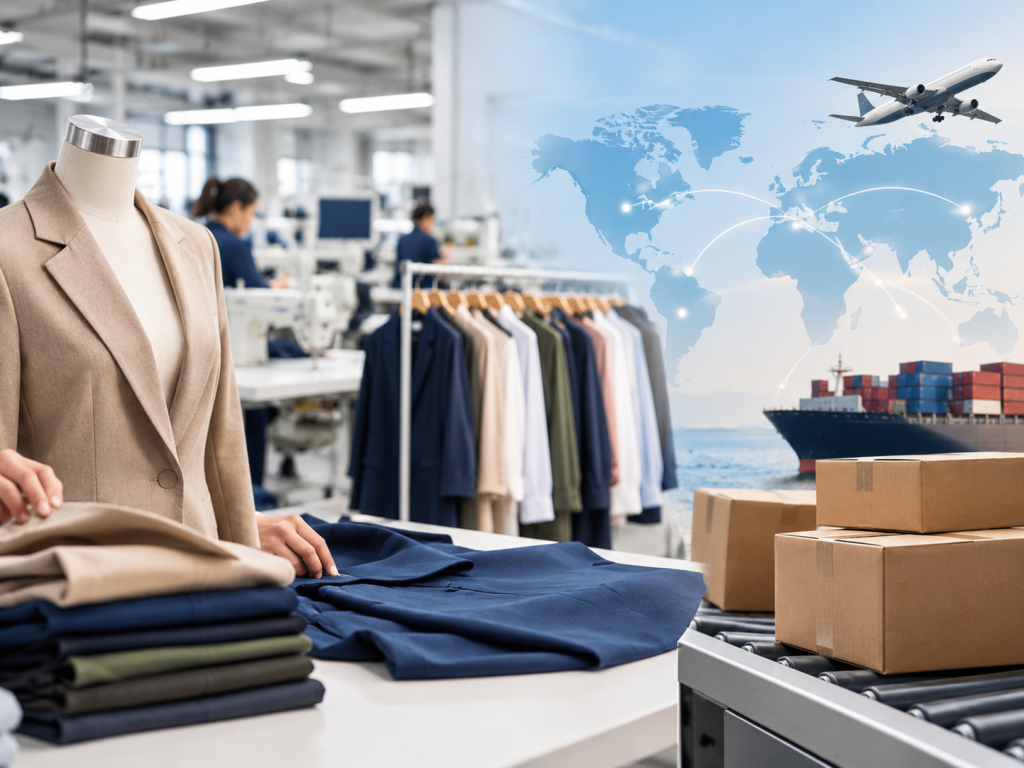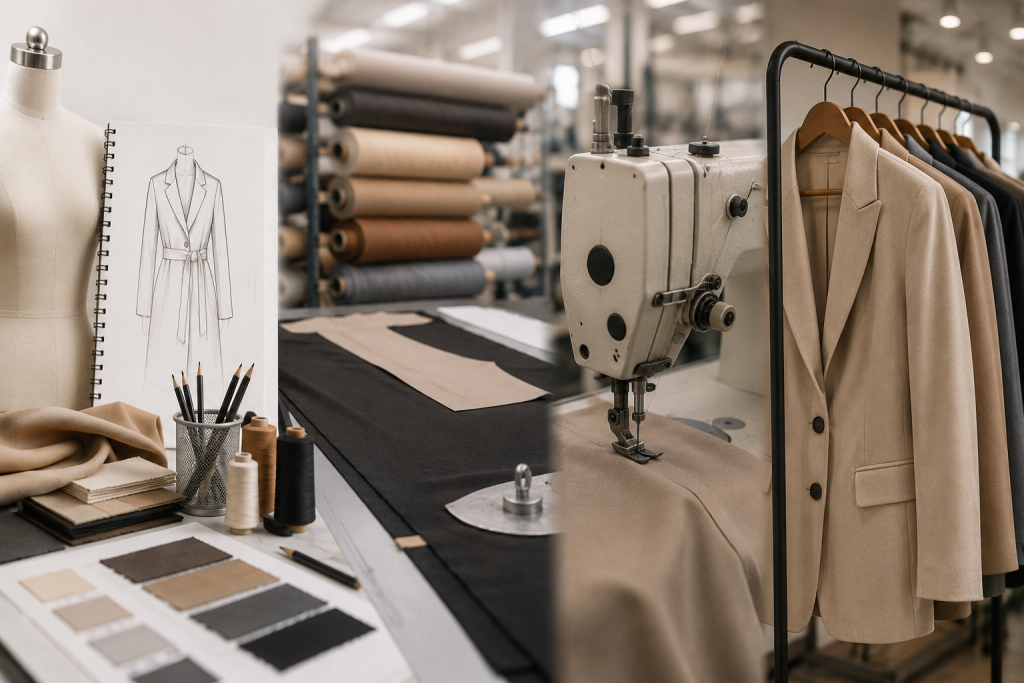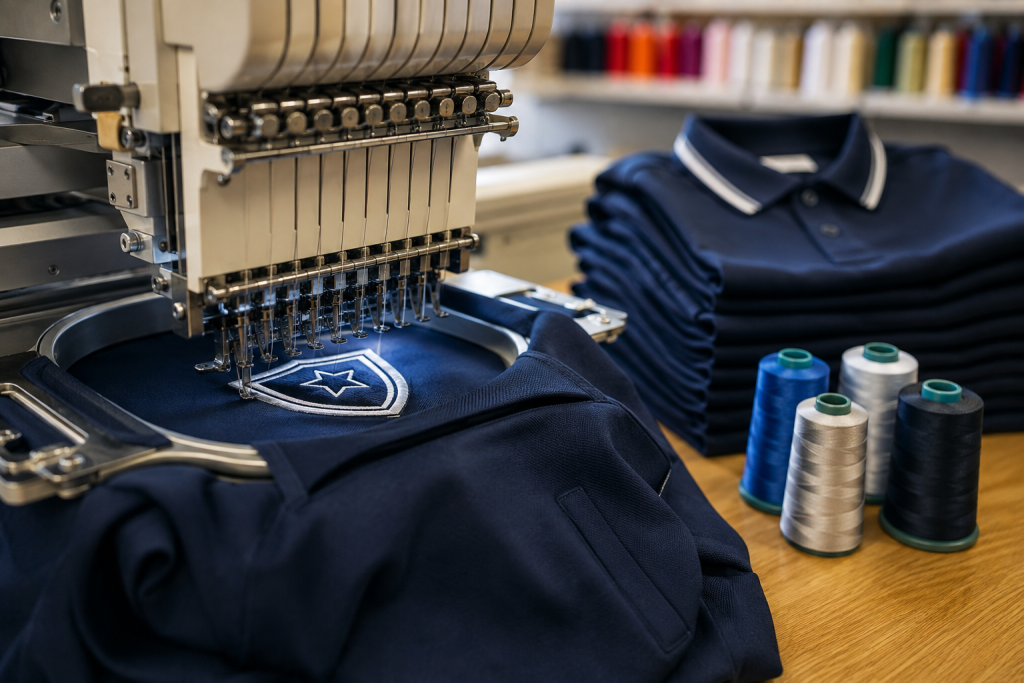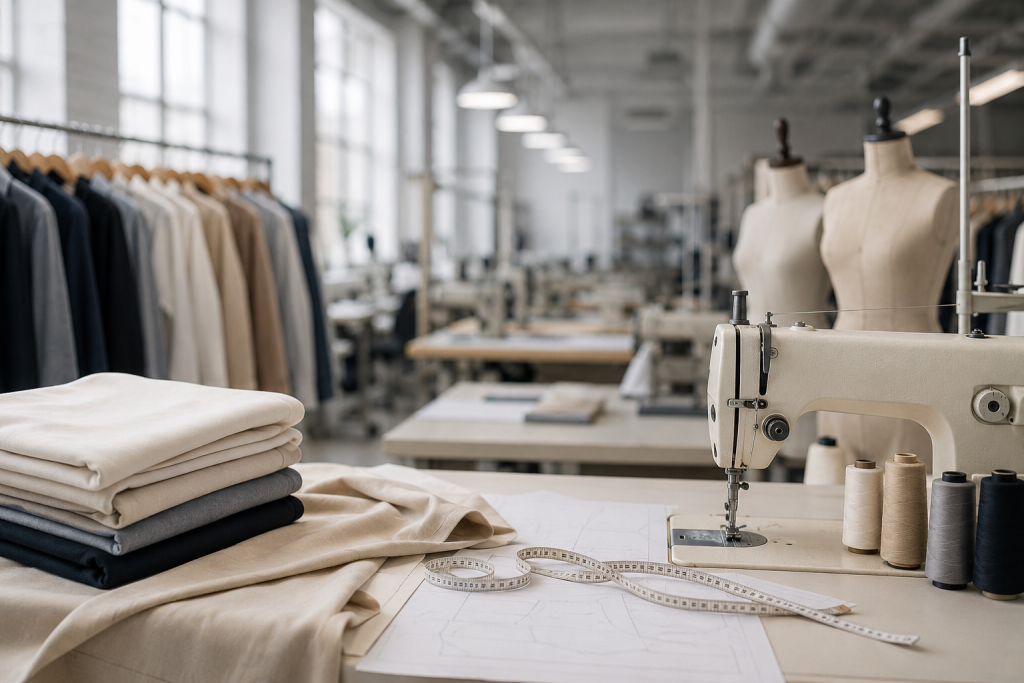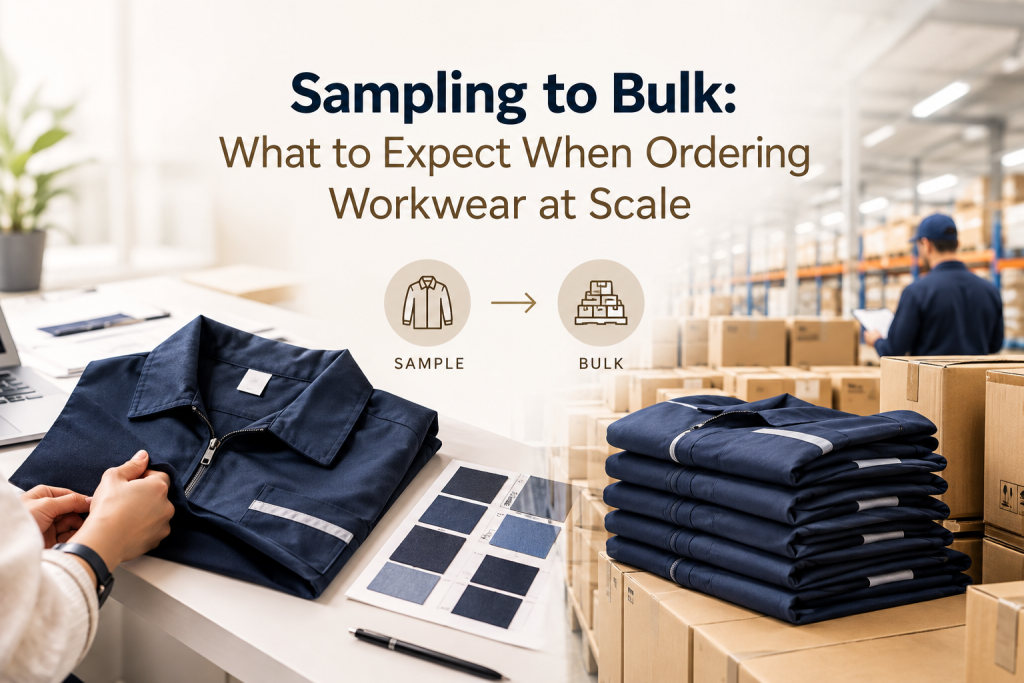
Sampling to Bulk: What to Expect When Ordering Workwear at Scale
Objective Help trade buyers and brands understand exactly what happens between approving a workwear sample and receiving a full bulk order. Key Takeaways A stitching or sizing issue caught at the sample stage is a quick fix. Catch it after bulk production starts, and it’s a much bigger headache. A trusted uniform manufacturer UK buyers rely on will walk you through tech packs, fabric choice, and checks at each stage, not just hand you a quote and go quiet. What happens after bulk production, think alterations, compliant labelling, dispatch, shapes the final result almost as much as manufacturing does. Got a bulk workwear order coming up? Reach out to our trade team and we’ll talk you through the process from sample to final delivery. Ever placed a bulk order and then spent the next few weeks half-dreading the delivery, wondering if it’ll actually match the sample you signed off on? That nervous energy is normal. A lot of money and reputation ride on getting a bulk run right. We’re a workwear and PPE manufacturer UK businesses come back to precisely because we don’t treat sampling as a box to tick. We’ve seen orders go smoothly, and we’ve seen a rushed sample stage cause problems for the buyer later. This blog walks through the whole journey, from that first sample to a warehouse full of finished protective clothing. Table of Contents What “Sampling to Bulk” Actually Means Step 1: Sharing Your Requirements Step 2: Choosing UK or Offshore Production Step 3: Sampling and Approval Step 4: Moving Into Bulk Production Step 5: Branding at Scale What Happens After Bulk Production Tips for a Smoother Bulk Order Ready to Place Your Next Bulk Order? FAQs What “Sampling to Bulk” Actually Means Sampling is basically a dress rehearsal. A manufacturer puts together one garment, sometimes a small handful, built exactly to your spec, so you can look it over before hundreds or thousands of identical pieces get cut. Miss something here, and that same fault shows up in every unit of the run. Sampling checks sizing, stitching, and fabric performance before mass production starts. Bulk production is the large run that follows once you’ve signed off. Fixing something after bulk production has started almost always costs more than fixing it at the sample stage. Step 1: Sharing Your Requirements Everything starts here, so it’s worth taking the time to get it right. You hand over your designs, sizing charts, and fabric preferences, and a custom uniform manufacturer turns that into a tech pack built around your exact spec. Give as much detail as you can on fit, colour, and fabric weight. Vague specs lead to vague samples. If you need a hi-vis clothing manufacturer UK teams can rely on for safety standards, say so now. Ask questions early. It’s less painful than raising them once cutting’s underway. Step 2: Choosing UK or Offshore Production There’s no single right answer here, and a decent uniform manufacturer UK buyers turn to for both routes won’t push you toward one option just because it’s easier for them. UK manufacturing tends to work well for smaller runs and tighter deadlines. Offshore production usually suits big, cost-sensitive bulk orders. UK production means shorter lead times and easier oversight. Offshore production suits high volumes where cost matters more than speed. Plenty of buyers split orders across both routes depending on the garment and time of year. Step 3: Sampling and Approval This is the point where you either give the green light or you don’t, so take your time. A pre-production sample should match the finished garment closely, down to the stitching and where the embroidery sits. Check fit across a few sizes, not just the one you were sent. Handle the fabric. Stretch it, wear it if you can, see how it holds up. Confirm the branding position and colour match before signing off. If something feels off, ask for another sample. It’s better to have a delay than to fill a warehouse with the wrong product. Step 4: Moving Into Bulk Production Once you’ve approved the sample, production moves faster. Fabric gets sourced at scale, cutting and sewing ramp up, and checks keep running through the process, not just at the finish. This is where a solid uniform manufacturer UK buyers can rely on proves its worth, since standardised processes ensure garment 500 still looks like garment one. Quality checks happen throughout the run, not only at the end. Bulk workwear suppliers UK buyers trust track fabric batches closely, so you don’t end up with a shade mismatch halfway through. Timelines shift depending on garment complexity, fabric availability, and order size. Step 5: Branding at Scale Your logo must look just as sharp on garment one thousand as it did on the sample you approved. That takes real care with colour matching, especially with an industrial workwear supplier UK teams depend on for a consistent look across the order. Embroidery needs to hold up through repeated washing and daily wear, not just look good on day one. DTF printing tends to suit detailed logos and brighter colours well. Placement should stay consistent across every size, not just the sample size. What Happens After Bulk Production Finishing the garments is not the end of the process. A dependable workwear and PPE manufacturer UK buyers trust long term treats this stage with the same care as manufacturing itself, since it decides whether your order arrives ready to use or lands on your desk as extra work. Stage What It Covers Why It Matters Bulk Order Alterations Adjustments applied consistently across a large run You don’t end up reordering whole batches over small fit issues Tax Tabs & Compliance Labelling that meets industry standards Keeps garments compliant and easy to trace Direct Customer Shipping Dispatch straight to your sites or your end customers Cuts out extra handling and re-shipping on your end Finishing & Packing Final inspection, folding, carton packing Every unit shows up ready to use, not needing