Clothing Embroidery vs Printed Garments: Which Is Better for Your Brand?
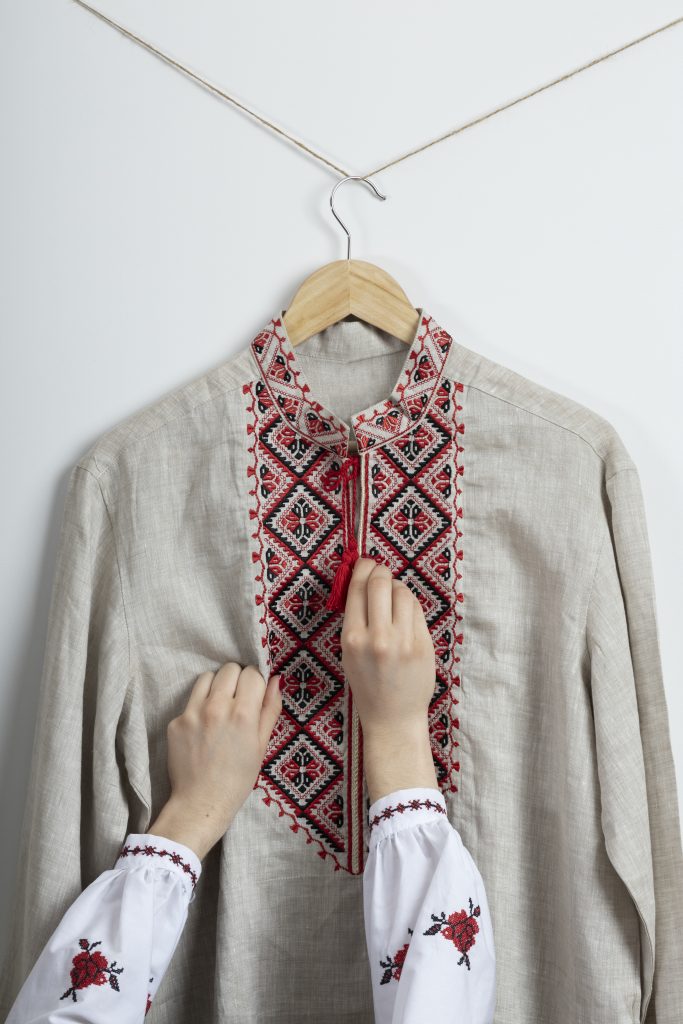
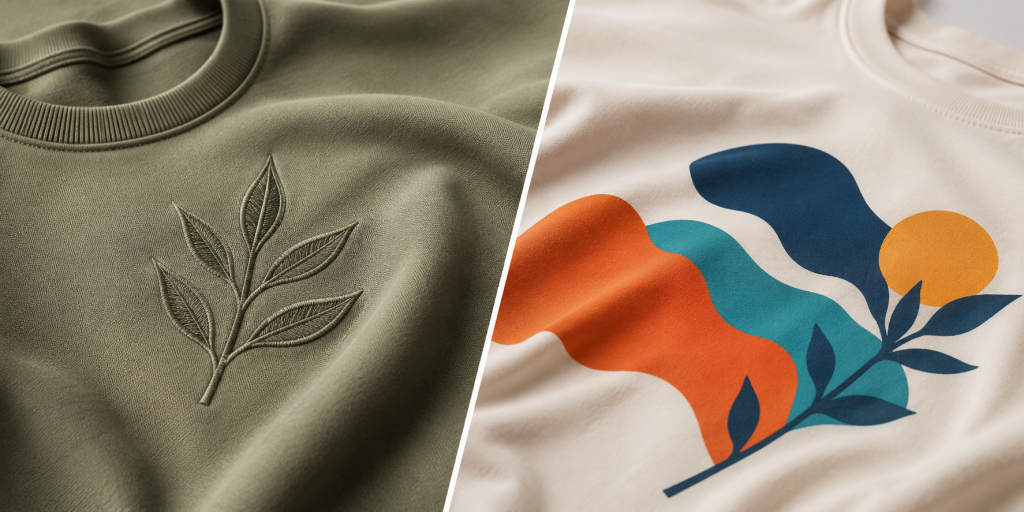
Objective Help businesses, uniform buyers, and workwear brands choose the right decoration method for their garments. Key Takeaways Introduction Should your branded uniforms be embroidered or printed? It sounds simple, but the wrong choice can cost you more in the long run when designs fade, peel, or fall apart after a few months of regular washing. Whether you’re leaning towards clothing embroidery or print, both methods work very differently in real working conditions. At Uniform World, our embroidery services team works with trade buyers and workwear brands every day. This guide cuts through the noise so you can make the right call for your garments and your budget. Table of Contents Embroidery vs Printing: How They Actually Compare Both methods have genuine strengths. The problem is most buyers pick one based on price alone and only realise the trade-offs later. Here’s an honest side-by-side so you can see exactly where each method wins: Feature Clothing Embroidery Custom Logo Printing Finish Raised, textured, 3D Flat, smooth, ink-based Durability Lasts the full life of the garment Can fade with heavy or industrial washing Design Complexity Best for logos, text, solid artwork Best for detailed, multi-colour, photographic designs Cost on Small Orders Higher per unit Lower per unit Cost on Bulk Orders Very competitive Competitive with faster turnaround Best Suited For Uniforms, workwear, corporate clothing Promotional wear, fashion, event garments Fabric Suitability Structured, mid-to-heavy weight fabrics Wide range including lightweight and stretchy fabrics Overall Impression Premium, professional Modern, versatile When Clothing Embroidery Is the Right Choice For garments worn daily in a professional or trade environment, embroidered clothing is almost always the stronger option. The stitching is built into the fabric itself, so it doesn’t peel, crack, or fade regardless of how many times the garment goes through the wash. Here’s when embroidery makes the most sense: Embroidered uniforms also carry a perception advantage that’s hard to ignore. A neatly stitched logo on a jacket or polo reads as established and high quality, and that impression matters in client-facing roles. A reliable, UK-based embroidery company like Uniform World gives you thread options across standard, metallic, and speciality finishes so your brand colours are matched precisely. Custom embroidery at this level is part of how your brand identity gets communicated at scale. When Custom Logo Printing Makes More Sense There are real situations where printing is the right call, and knowing them helps you avoid overspending or using the wrong method for the job. Our logo printing at Uniform World uses DTF technology, which means sharp edges, vibrant colours, and clean results even on darker fabrics. It’s a proper trade-grade process built for buyers who need reliable output at volume, not a basic heat press finish. Fabric Compatibility: What Most People Overlook This is the part most people don’t think about until something goes wrong. Choosing the right decoration method isn’t just about design or budget. It’s also about whether your fabric can carry that method cleanly. Pick embroidery on the wrong garment and you’ll get puckering. Pick printing on the wrong fabric and the ink won’t bond. Neither is a good outcome mid-production. At Uniform World, fabric and decoration compatibility is reviewed before production starts on every order. We also handle clothing alterations on existing garments, including logo repositioning ahead of decoration, giving trade buyers more flexibility than most suppliers can offer. Making the Right Decision for Your Order The honest answer is that plenty of trade buyers use both methods across their range. Embroidered garments work best for core staff uniforms worn daily in professional environments, while garment printing suits promotional or seasonal pieces where design complexity and cost per unit matter more than long-term durability. They serve different purposes, and the best results come from knowing which to use where. If your garments are going through regular washing, represent your brand in front of clients, or need to hold up across a full season of daily wear, embroidery is almost always the stronger investment. If you’re working with a bold, large-format design on a lightweight fabric or running a short promotional order, printing gives you the flexibility and cost efficiency you need. Uniform World provides both embroidery services and DTF garment printing as a trade-only decoration service. Get in touch with the trade team to talk through your requirements, and we’ll help you find the right fit. FAQs Is embroidery or printing better for workwear uniforms? For most workwear environments, clothing embroidery is the stronger choice. It’s more durable, handles regular washing far better, and gives a more professional finish on structured garments like polos, jackets, and fleece. What is the durability of embroidered fabrics as compared to printed fabrics? The embroidery on clothes lasts the life span of the garment since the embroidery thread is sewn on to the cloth permanently. The printed designs on clothes may survive for several years if well taken care of but are likely to fade during industrial laundry. Is embroidery more expensive than printing? On smaller orders, embroidery costs more per unit due to digitising setup and stitching time. On bulk orders, that gap closes significantly. Printing is cheaper upfront, but if garments need reprinting after a year or two, those costs add up fast. Always think about the full lifetime cost, not just the initial quote. Can any kind of garment be embroidered? Structured garments made from materials such as fleece, polo, and workwear can easily be embroidered. Soft fabrics will not do well in embroidery, as the backing will make them rigid.