Author name: SEO

Uncategorized

How Heat Transfer Printing Works in Bulk Apparel Production

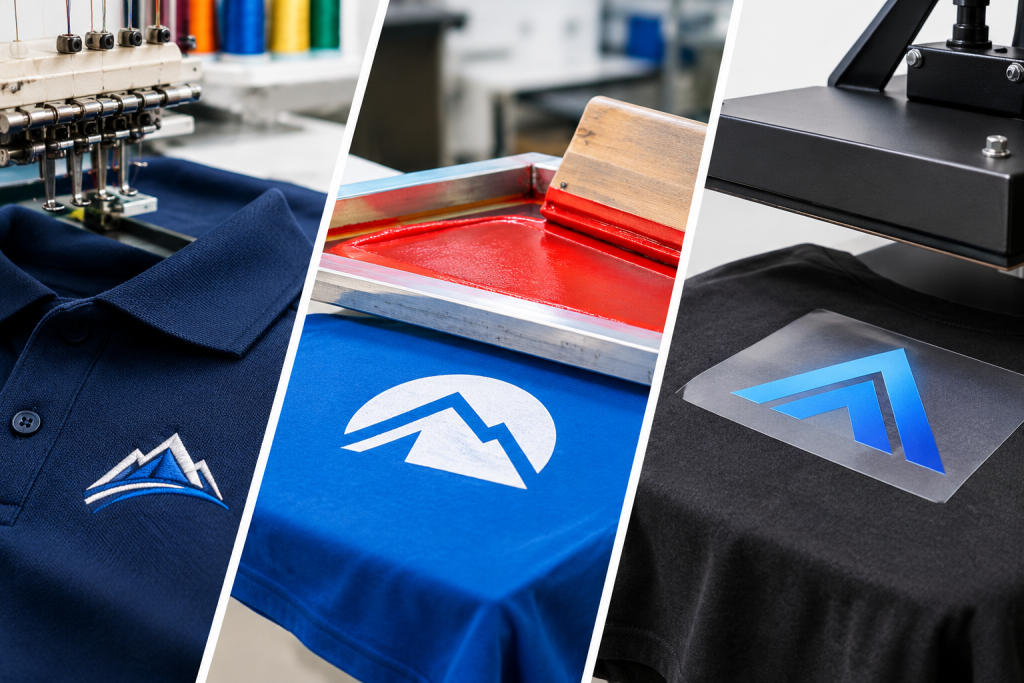
Objective In order to give an understanding on how heat transfer printing works when done in large batches, how it is suitable for use in uniforms and clothing, and how it can be considered a dependable technique in decorating clothes. Key Takeaways CTA Need consistent heat transmission printing for your next bulk order? Uniform World supplies trade-only heat transfer solutions built for garment manufacturers, uniform suppliers, and workwear brands. Visit uniform-world.co.uk or call 0121 523 45 38 to get started. Introduction Have you ever looked at a branded workwear jacket and wondered how that logo sits so cleanly on the fabric without cracking, fading, or lifting at the edges after dozens of washes? Most people assume it’s embroidery or screen printing, but a large proportion of the branding you see on bulk uniform orders today comes down to heat transfer printing, and most buyers don’t fully understand how it works until something goes wrong with a cheaper alternative. This blog walks through the full process, why it works so well for textile printing at bulk scale, and what trade buyers need to know before placing a decorated garment order. Table of Contents What Is Heat Transfer Printing? It is a decoration method where a design is first printed onto a specialist transfer film, then bonded onto the garment surface using a heat press. The heat and pressure activate the adhesive layer, pushing the design into the fabric fibres and creating a clean, durable finish. It’s used across uniform printing, workwear, fashion, and promotional apparel because it handles detailed logos, multi-colour designs, and small text far more cleanly than many alternatives at bulk scale. How the Process Works Step by Step The process is more structured than most buyers realise. Every stage has a purpose, and getting any one wrong affects the final result across the entire batch. That is how this process happens in bulk manufacturing: This process happens in the trade sector in batches of hundreds or thousands of garments at a time. Why It Works So Well for Bulk Apparel Production Transfer printing at scale works well for one straightforward reason. Transfers are produced in advance, so once garment application begins, the decoration stage moves quickly and consistently without stopping between colours or designs. For trade buyers managing large workwear printing programs, this is a real practical advantage: Fabric Compatibility in Workwear and Uniform Programs One reason heat exchange printing is so widely used in trade apparel is how well it performs across different fabric types. Uniform and workwear programs don’t always use a single material, so a decoration method that only works on one fabric type creates problems quickly. Uniform World’s heat transfer solutions are compatible with: What Makes a Heat Transfer Last Durability is the top concern for any trade buyer ordering decorated garments at scale. A transfer that starts peeling after ten washes isn’t just a quality issue, it’s a client relationship problem. Three factors determine whether a custom heat transfer holds up over time: Skipping quality control at the application stage is where most durability problems begin. Every batch needs checking before it moves to packing. Heat Transfer vs. Other Decoration Methods Trade buyers often ask whether custom heat transfer is better than embroidery or screen printing. The answer depends on what the garment actually needs. Decoration Method Best For Limitation Heat Transmission Printing Detailed logos, multi-colour designs, fast bulk runs Not ideal for very thick, raised finishes Embroidery Premium feel, structured logos on heavy fabrics Higher cost per unit, slower on fine detail Screen Printing Bold simple designs on high volumes Colour setup costs are less flexible for small runs Textile Printing via Transfer Position-specific branding across varied fabrics Requires correct press settings per fabric type For most uniform printing and workwear decoration programs, heat transfer sits in the sweet spot of speed, detail quality, and cost efficiency at scale. Get Your Bulk Decoration Right from the Start For trade buyers managing uniform or workwear programs, choosing the right decoration method and the right production partner makes a bigger difference than most expect upfront. A poorly applied transfer on 500 jackets isn’t just a reprint job. It’s time, money, and a client relationship that takes a hit. Uniform World provides trade-only heat transfer printing as part of a complete embroidery and printing service, built for manufacturers, uniform suppliers, and workwear brands needing consistent, durable branding across bulk and repeat orders. For textile printing solutions that are built to last and delivered to trade timelines, call 0121 523 45 38 or visit uniform-world.co.uk to discuss your requirements. FAQs 1. What fabrics work best with heat transfer printing? Not every fabric behaves the same way under a heat press, and that’s something a lot of buyers find out the hard way. Heat transmission printing performs well on cotton, polyester, blends, and performance fabrics as long as the transfer type and press settings are matched correctly to whatever material you’re working with. 2. How durable is heat transfer printing on workwear? Done right, it holds up really well. Workwear printing via heat transfer is built to handle repeated industrial washing without the design cracking, peeling, or losing its colour over time. Where durability falls short, it almost always traces back to wrong press settings or a transfer film that wasn’t suited to that particular fabric, not the method itself. 3. Is heat transmission printing suitable for large bulk orders? Yes, transfer printing is particularly well suited to bulk because transfers are produced in advance and applied quickly and consistently across large garment runs. It’s one of the faster decoration methods available for trade buyers managing high-volume uniform or workwear programs. 4. What is the difference between heat transfer printing and screen printing? Heat exchange printing bonds a pre-printed transfer onto the garment using heat and pressure, while screen printing pushes ink directly through a mesh screen onto the fabric. Heat transfer handles fine detail and multi-colour designs more cleanly across varied fabric types, whereas screen

Uncategorized

What Are Bulk Order Alterations in Garment Manufacturing?

Objective In order to assist the purchasers, uniform manufacturers, and clothing labels in understanding what bulk alterations entail, their place within the manufacturing chain, and the importance of their accuracy for quality and reputation. Key Takeaways CTA Looking for reliable customisation services for your next bulk order? Uniform World works exclusively with trade buyers, uniform suppliers, and garment brands across the UK. Visit uniform-world.co.uk to get in touch with the team. Introduction Have you ever ordered uniforms in bulk, handed them out to your team, and then watched the complaints roll in one by one? One person’s sleeves are too long, another’s waist is sitting completely wrong, and the whole batch that looked fine on paper is suddenly a problem you didn’t budget time or money to fix. Many people face this exact situation, and the frustrating part is that it usually wasn’t the manufacturing itself that failed. It comes down to alteration services not being properly worked into the production plan before the order even went into production. This blog covers what bulk order alterations actually are, how they work inside garment manufacturing, and why they make such a real difference for businesses managing uniform alterations and large contract supply programs. Table of Contents What Are Bulk Order Alterations? Bulk-order alterations are fit and specification adjustments made consistently across a large production run. Not one garment at a time, but hundreds of units with the same corrections carried through accurately on every piece. Even a well-approved sample can produce variations once full manufacturing kicks in. That’s why professional alteration services exist as a planned stage, not a fallback when things go wrong. Where Do Alterations Fit in the Manufacturing Process? Many buyers picture alterations as something that happens at the end, once a problem shows up. The most effective clothing alterations, though, are those built into the finishing stage before packing and dispatch begin. Within a well-run production workflow, here’s where alterations typically sit: Handling apparel alterations within the workflow rather than adding them on at the end keeps large orders consistent and timelines on track. Types of Adjustments Covered What’s needed depends on the garment type and the programme it’s going into. For uniforms, workwear, and PPE orders, the adjustments tend to follow a familiar pattern. These are the alteration types most regularly applied at the bulk level: Why Consistent Fit Matters at Scale When you’re supplying uniforms for a team of 200 people, any inconsistency in fit gets multiplied across every single person wearing them. It shows, and it affects how that business looks to everyone they deal with. Solid clothing alterations planned at the bulk stage stop that problem before it starts. When these services are spec-driven and applied the same way across every unit, fit stays consistent whether you’re looking at piece one or piece two hundred. Quality Checks That Make It Reliable Any serious bulk alteration process needs solid quality control behind it. Without that, even accurately applied garment alterations can still throw up inconsistencies across a full production batch. A proper pre-dispatch inspection covers: Alteration Services vs. Rework People use these terms interchangeably quite often, but they describe very different situations. Rework is what happens when something has already gone wrong and needs correcting. Tailorded services are what you plan before production begins, with specs and processes agreed well in advance. For trade buyers, that difference matters: Common Alteration Types at a Glance A straightforward reference covering the main bulk alteration types, what each involves, and where it’s most commonly needed. Alteration Type What It Involves Best Suited For Sleeve & Length Adjustment Shortening or extending to match agreed spec Jackets, shirts, workwear Hem Correction Adjusting bottom hems to correct size spec Trousers, tunics, skirts Waist & Chest Fit Correction Side seam work for accurate body fit Uniforms, corporate wear, PPE Size Grading Modification Consistent proportions across the full range Full uniform programs Spec-Based Alterations Adjusted to exact buyer-provided measurements Contract and branded uniforms Finishing Integration Alterations completed within pre-dispatch workflow Repeat and large-volume orders Ready to Get Your Bulk Alterations Right? For trade buyers managing large uniform or workwear programmes, having an alteration service built in from the beginning is what separates a clean delivery from a round of costly corrections. Uniform World provides trade-only apparel alterations as part of a full manufacturing and finishing service, built to deliver accurate, consistent results across repeat and contract orders. Call 0121 523 45 38 or visit uniform-world.co.uk to talk through what your next bulk order needs. FAQs 1. What is the difference between garment alterations and rework? The alteration in clothing is done by planning changes and doing it prior to the start of production, and this process is always done throughout the entire batch in order to ensure consistency. On the other hand, reworking is an adjustment done after an error has been made. 2. Can bulk clothing alterations be applied across different uniform types? Yes, bulk alterations are regularly used across corporate uniforms, workwear, and PPE, with specific adjustments depending on how each garment is constructed. Most standard corrections, including sleeve changes, hem work, and fit modifications, suit the majority of uniform styles used in trade supply. 3. Do alteration services add time to production schedules? When you plan changes to the finishing stage from the beginning, they do not add any meaningful time to the overall schedule. Delays happen when alterations are left until after the batch is ready for dispatch, which is exactly why building them in early makes such a practical difference. 4. What does size grading modification actually involve? It’s the process of adjusting measurements proportionally across an entire size range so every size fits correctly, not just the ones closest to the base pattern. In large clothing alteration programmes, it keeps the full range matching the approved sample rather than drifting in fit as sizes go up or down.

woman repairing clothes
Uncategorized

How Uniform World Delivers End-to-End Garment Manufacturing Services in the UK

Objective To show how Uniform World’s “all-in-one” process fixes the common supply chain headaches for UK businesses. Key Takeaways  Ready to stop the supply chain stress? Contact Uniform World Today, let’s see how we can handle your next project from start to finish. Ever felt like managing a garment supply chain is like trying to balance heavy weights while walking a tightrope? If you are a trade buyer or a brand manager here in the UK, you know the headache of hiring different clothing manufacturers for fabric, sewing, embroidery, and shipping. It is totally exhausting. At Uniform World, we have built our business to be your “one roof” solution. We handle the entire journey of garment manufacturing from a rough idea to a retail-ready product. Let’s look at exactly how we make that happen right here in the UK. Table Of Contents What Does End-to-End Actually Mean for You? In simple terms, it means we take the weight off your shoulders. You don’t have to play project manager for four different factories anymore. We act as your primary partner for every stage of your clothing production. It All Starts with Your Idea and Our Design Team You might have a perfect digital design ready to go or maybe just a rough sketch on a napkin. Either way, our first job is to listen and understand the vision behind your garment manufacturing needs. We want to know exactly what you expect from the final product. Precision Cutting and Sampling: Getting it Right the First Time We have all been there. You order a bulk batch of clothes and realise the sizing is completely off. The issue is prevented through the perfection of the sample process. This is an important component in the production process of reputable apparel manufacturers’ workflows. Local Manufacturing in Birmingham: Choosing UK Garment Manufacturers Whether you need a small batch of 10 items or a huge order of thousands, we are set up to handle it. We mix traditional British skill with modern machinery in our Birmingham hub to stand out among UK garment manufacturers. Branding with Embroidery and Printing: Excellence in Fashion Manufacturing A uniform isn’t really a uniform until it carries your brand. This is where a lot of shops struggle, but it is a core part of our fashion manufacturing expertise. We ensure your logo looks professional and stays that way. The Final Stretch: Finishing, Packing, and Fulfillment The job isn’t finished just because the sewing is done. We think the last phase of the clothing production cycle is just as important as the first. We treat the finishing stage with total respect. Why Choosing Garment Manufacturers UK Saves You More Than Just Money You might think that by sticking to one firm, all you do is save time, but there are some advantages to your business beyond that. Partnering with garment makers based in the United Kingdom would make communication more straightforward. A Real-World Example: The Uniform Headache Solved Think about a healthcare company that needs 5,000 sets of scrubs sent to ten different hospitals. Usually, that would be a logistical nightmare involving multiple vendors. It is the kind of situation where clothing manufacturers often struggle with communication. With us, you just send the list. We make the scrubs, embroider the logos, pack them into the right boxes for each hospital, and ship them out. You get a single invoice and no stress. That is what we mean by a true fashion manufacturing service. Some Helpful Tips for Your Next Production Run If you are getting ready to start a new project, here are a few things to keep in mind to make the garment manufacturing process even smoother. Planning ahead is the best way to ensure success. Let’s build something together. At the end of the day, we want to be more than just a factory for you. We want to be a partner that helps you grow. We know the UK market, and we take a lot of pride in every single piece of clothing that leaves our Birmingham doors. If you are tired of chasing different UK garment manufacturers and want someone who actually pays attention to the details, let’s have a chat. Whether you are a new brand or a trade buyer who needs reliable workwear, Uniform World is here to help. Reach out to our team and let’s get your project started! Common Questions About UK Garment Manufacturing How long does it usually take to get an order finished? Most of the time, it takes about 4 to 8 weeks once the samples are approved. This can vary based on the clothing production volume, but being in the UK usually saves weeks on shipping. What are the payment terms for a big order? Most garment manufacturing setups use a 60/40 split. You pay 60% to get production started and the remaining 40% once the goods are ready for delivery. Can you help me find specific fabrics? Yes, we have a huge network of fabric suppliers. We can find exactly what you need, whether it is organic cotton or heavy-duty safety material. Do I need a professional design file to start? It helps, but you don’t strictly need one. We can work from a physical sample you already have or even just a good drawing to help you create the patterns.

workwear coats jackets hanging
Uncategorized

Custom Workwear Made Easy with Uniform World Embroidery & Printing Services

Objective To help you as trade buyers and workwear manufacturers understand how our services will make your workwear easier, more uniform, and scalable, we decided to present information on how we can help you become better at what you do. Key Takeaways Ready to get your workwear branded the right way? Share your artwork, garment details, and quantities with our trade team, and we’ll advise on the most efficient embroidery or printing method for your order. Introduction You’ve probably been there before. You place a workwear order, the first batch looks great, and then the second delivery arrives, and something’s just slightly off. The logo sits a little higher. The thread colour isn’t quite the same shade. They may seem like small things, but when you’re supplying those garments to a client, even the smallest details matter a lot. That kind of inconsistency is one of the biggest frustrations trade buyers deal with, and it usually comes down to working with an embroidery and printing supplier who isn’t actually set up for repeat, high-volume work. That’s the gap our embroidery services at Uniform World are built to fill. So if you’re a uniform supplier, a workwear brand, or a manufacturer who needs garments branded reliably and at scale, let’s get into what we actually do and how it works. Table of Contents What We Actually Offer We run a full embroidery and printing operation out of our UK-based facilities, and everything we do is geared toward trade buyers who can’t afford inconsistency across large orders. Here’s what our garment branding covers: Our custom embroidery and printing work spans workwear, uniforms, corporate clothing, and promotional garments. Whatever you’re bringing to us, our embroidery services are set up to treat every garment type with the same level of care and consistency. Who Our Services Are Built For We work trade-only. That’s not a small print detail; it’s just how we operate. Our embroidery services are built exclusively for B2B and wholesale buyers, which means we’re talking to the following: Working with a trade-only setup means your orders aren’t getting deprioritised behind retail customers or small consumer runs. Everything here is built around the kind of volumes and timelines that B2B buyers actually work with. Why Consistent Branding Matters More Than You Think Most trade buyers already know branding matters. But consistency? That’s the part that gets underestimated until something goes wrong. When you’re delivering embroidered uniforms to a client, every single piece needs to look the same. Your client isn’t going to be impressed that nine out of ten look great if the tenth one doesn’t match. And neither will the person wearing it every day on the job. Here’s what we mean when we talk about real consistency: What Makes Us Stand Out Honestly, there’s no shortage of embroidery and printing suppliers out there. What’s harder to find is one that’s genuinely set up for trade from the ground level, not just one that accepts trade orders alongside everything else. Here’s where we’re actually different: How Our Process Works We keep things simple, and every step has a purpose. It’s a process that actually keeps you informed. No chasing updates, no wondering where your order is. You know what’s happening at each stage, and nothing moves forward without your sign-off first. When Your Workwear Gets the Branding It Deserves Poor garment branding has a way of making itself known. Logos that fade after a few washes, stitching that starts pulling, and placement that drifts slightly between batches. It all adds up, and eventually your clients start to notice. Good custom embroidery and printing does the opposite. It quietly tells your clients that the detail has been looked after. That the quality runs through to the finish. That’s the kind of thing that keeps long-term contracts in place. We built our embroidery services at Uniform World around exactly that standard. UK-based production, consistent output, and quality control that actually means something. And with uniform alterations on offer for bulk orders too, we’re the kind of supplier you can keep coming back to across different parts of your workwear operation. Your next production run deserves branding that holds up. Share your artwork, garment details, and quantities with our trade team, and we’ll advise on the most efficient embroidery or printing method for your order. Start Your Embroidery or Printing Enquiry: uniform-world.co.uk/contact-us FAQs Q1. Can embroidery and printing be combined with garment manufacturing?  Yes, embroidery and printing can be integrated directly into the manufacturing process with us, so your garments come out production-ready without needing a separate supplier involved. Q2. Do you support bulk and repeat embroidery and printing orders? Absolutely. Our whole setup is designed around high-volume and repeat contracts, and our quality checks make sure every batch comes back consistent, not just the first one. Q3. What garments can be embroidered or printed on? We work across workwear, uniforms, corporate apparel, and promotional clothing, with placement options covering chest, sleeve, back, and more depending on what your branding needs. Q4. Are your embroidery and printing services UK-based? Yes, everything runs through our UK facilities, which keeps communication clean and turnarounds practical for the trade timelines our clients actually work to.

young male fashionmdesignern showing blue fabric his customer shop scaled
Uncategorized

Top Country Wear Manufacturers in the UK for Countryside Clothing & Field Wear

Objective This guide will provide buyers and brand owners with the right manufacturers in the UK who will manufacture good-quality rural clothing. Key Takeaways CTA: Ready to start your production journey? If you are seeking a committed partner to assist you in designing rural fashions with attention to detail, then Uniform World can be your guide. Together we shall design something truly unique from scratch to bulk production. Introduction Have you ever spent a morning out in the damp British hills only to realise your “weatherproof” jacket is soaking through at the seams? It is a frustrating experience that many people face, and it is exactly why the quality of country wear matters so much more than basic fashion. If you are a brand owner or a retail buyer, you know that your customers aren’t just looking for a look; they are looking for gear that actually works. Finding the right partner to handle your production is a big step, and honestly, it can feel a bit overwhelming at first. You might think that all factories are basically the same, but when you are dealing with technical fabrics like wax cotton or heavy tweed, the skill level required is on a different level. This is why staying local with established uniform manufacturers in the UK has become a massive advantage for brands that want to guarantee quality without the headache of overseas shipping. Let’s take a deep look at what really goes into making top-tier rural clothing and how to spot a manufacturer that genuinely knows their stuff. Table of Contents Why UK Manufacturing Matters for Country Wear There is a specific kind of pride that comes with “Made in Britain” clothing. It is not just about a label; it is about a history of textile work that necessity gave birth to. When you work with uniform manufacturers in the UK, you are tapping into a workforce that actually lives in the climate these clothes are built for. You may feel that manufacturing abroad is the cheaper route, but many brand owners find that the hidden costs of shipping and poor communication quickly add up. Keeping things local means you can actually talk to the people making your clothes. Quality control is easier when the factory is just a quick call away. Plus, being able to tell your customers that your field wear didn’t have to travel halfway across the globe is a huge selling point for sustainability. It builds a story of authenticity that is very hard to fake. What Makes a Great Countryside Clothing Producer? When you start hunting for a partner for your countryside clothing line, you will notice that the best ones share a few key traits. It is not just about having machines. It is about having a “feel” for the fabric and how it behaves in the wild. Essential Technical Features of Professional FieldWear Whether it is for an estate manager or a weekend hiker, field wear has to be a reliable tool. If you are designing these pieces, you have to think about the small details that make a big difference in the rain. Feature Why it Matters Manufacturing Detail Waterproofing Stops heavy rain from getting in. Uses taped seams and specialised lining. Breathability Keeps the wearer from getting sweaty. Requires high-quality mesh or wicking linings. Durability Stands up to briars and rough terrain. Uses reinforced stitching in high-stress areas. Practical Storage Space for tools, cartridges, or phones. Needs precision-placed bellows pockets. Leading the Way in the UK The manufacturing landscape for country wear is quite diverse. You have everything from tiny artisan shops to high-volume factories. The sweet spot for most brands is finding a partner that balances traditional craftsmanship with modern efficiency. Most professional country wear manufacturing setups in the UK are trade-only. This is actually a good thing for you because it means the factory isn’t distracted by selling to the public. Their entire focus is on helping other businesses succeed. They have the specialist machinery needed to work with thick, heavy materials that would break a standard machine. Also, the ability to offer “white label” services means you can take a proven design and make it your own with custom branding. The Journey from Design to Delivery You might think that the production process is a bit of a mystery, but it is actually a very logical path. Most projects start with a simple conversation about what you need. First, there is the Tech Pack phase. This is where every measurement and material choice is written down. Then comes the sourcing. A good manufacturer often has existing ties to local mills, which can save you a lot of time. Once the materials are in, the sampling starts. This is your chance to see the garment in real life. After you give the green light, the bulk production begins. Throughout this whole time, a reliable partner will keep you updated so you aren’t left wondering. Choosing the Right Partner for Your Brand Selecting who will handle your country apparel is a major business decision. You need a partner who shares your commitment to the end user. We always suggest that you look for transparency. Ask about lead times early on. You don’t want to launch a winter coat in the middle of spring because of a production delay. Also, check their experience with technical outerwear. Making a t-shirt is very different from making a waterproof shooting jacket with reinforced shoulders. Finally, trust your gut. If a manufacturer is responsive and helpful during the inquiry phase, they are much more likely to be a good partner when things get busy. Building a Brand with Integrity The world of rural fashion is built on trust. People buy country wear because they expect it to last for years, not just one season. By choosing to manufacture in the UK, you are investing in that longevity. It demonstrates that you appreciate the art form and the industry itself. It does not matter whether

Woman tailor working at the sewing factory
Uncategorized

Fashion Manufacturing Services: Expert Garment Production for Corporate Uniforms

Objective This guide dives into how professional fashion manufacturing helps businesses build solid corporate uniforms that actually last and make a brand look professional on the daily. Key Takeaways CTA: Ready to sharpen your brand’s look? If you want a partner who gets the details right, Uniform World specializes in professional gear for the modern workplace. From the first sketch to the final delivery, let’s build something your team will actually want to wear. Introduction Have you ever walked into a store or an office and instantly felt a sense of trust just because the staff looked sharp and unified? It is one of those subtle things that most people face without even realizing it. On the flip side, we have all seen corporate uniforms that look tired, baggy, or just plain uncomfortable. If you are a business owner or in charge of procurement, you know your team’s gear is essentially your brand’s first handshake with the world. Finding a partner for fashion manufacturing is not just about slapping a logo on a basic polo; it is about making sure every piece of clothing is tough, fits right, and represents your values. You might think any factory can churn out a bulk order, but when you are dealing with a hundred different staff sizes and specific fabric needs, the little things matter. Let’s get into how expert manufacturing can change your team’s vibe and what you should look for before signing a contract. Table of Contents Why Quality Manufacturing Changes Everything for Your Brand In the business world, your staff are your main ambassadors. When they wear high-quality fashion manufacturing products, they just carry themselves differently. It is a mental shift that happens when you are wearing a garment that feels “real” and well-made rather than something cheap and thin. You might feel that choosing the lowest price tag is the smart move for the budget, but most managers find out the hard way that cheap stuff falls apart after a few months of washing. Investing in professional attire production is actually a long-term win for your wallet. Good manufacturing ensures colors stay bright, seams don’t pull apart, and the fit stays consistent across your whole team. Plus, in a crowded market, having a tailored, professional look sets you apart. It tells your clients you aren’t cutting corners. What Real Clothing Production Experts Bring to the Table When you look for help with clothing production, the best shops share a few key traits. It is about more than just owning sewing machines; it is about knowing how to manage a project from start to finish without errors. The Technical Must-Haves for Corporate Apparel Building excellent workwear is a bit of a technical puzzle. When you are looking at apparel manufacturing, you have to think about how these clothes are actually going to be used, not just how they look in a catalog. Feature Why Yolargeff Need It How It’s Made Toughness Clothes have to survive daily shifts and hot washes. Stronger thread and reinforced stress points. All-Day Comfort Your team needs to move without feeling restricted. Careful pattern grading for all shapes and sizes. Brand Precision Your logo colors have to be spot on every time. High-end embroidery or precision screen printing. Easy Care No one wants to spend an hour ironing every morning. Using crease-resistant or easy-wash fabrics. The Simple Step-by-Step Production Process You might think that the path from an idea to a finished box of uniforms is complicated, but it is actually a very logical flow when handled correctly. It starts with the Requirement phase. This is where you talk about the job your team does and the look you want. Then comes the clothing manufacturing part where we handle design and sampling. A good factory will always make a prototype first. This is your chance to feel the fabric and check the fit before you commit to a big order. Once you are happy and give the “okay,” the bulk production kicks off. A professional partner will keep you updated so you aren’t left guessing on the delivery date. Finally, every item gets checked one last time before being packed up and sent out. Choosing a Partner Who Actually Listens Picking who will handle your garment manufacturing is a big call. You need a partner who actually gets what you are trying to do. We always tell people to look for transparency. Ask about their experience with actual corporate work. Making a fashion piece is one thing, but making a durable uniform that stays crisp after fifty washes is a different skill. If they can show you samples of work that feels sturdy, you are probably on the right track. Also, pay attention to their communication. If they are helpful and quick to answer questions at the start, they will be a lot more reliable when you are on a tight deadline. Building a Unified Future The importance of a cohesive team image goes beyond wearing proper attire; it’s about fostering a sense of unity. By choosing professional fashion manufacturing, you show your employees that you value them. Consumers buy products from companies they can trust, and professional appearance helps gain such trust. Whether it’s a brand change or a revamp of the existing office uniforms, quality should be the priority. At Uniform World, we have spent a lot of time perfecting outfit production for businesses of all shapes and sizes. We know the pressure of the corporate world and the standards needed to keep a team looking their best. Let’s work together to create a uniform your staff will actually be proud to wear. Common Questions About Professional Apparel How long does a bulk order usually take? Most of the time, you are looking at about 8 to 12 weeks once the samples are signed off. It can change depending on how busy the factory is, so we always suggest planning your rollout a few months in advance so you aren’t rushed. Can you

Scroll to Top